
Solid Wood Flooring
At the top end of the market solid wood flooring is the only choice. It is often said that the use of solid wood is environmentally unfriendly, but in fact that is not necessarily true.
The production of solid wood uses far less energy than the production of almost any other building material. Energy is required to saw, dry and machine the wood, but that energy input is minimal, especially if the wood is properly seasoned before drying. Contrasted with engineered flooring, where multiple veneers are cut to make plywood, glue is required between all layers, and drying and balancing are also required before machining, it is clear that the energy and chemical input is far greater than for solid wood.

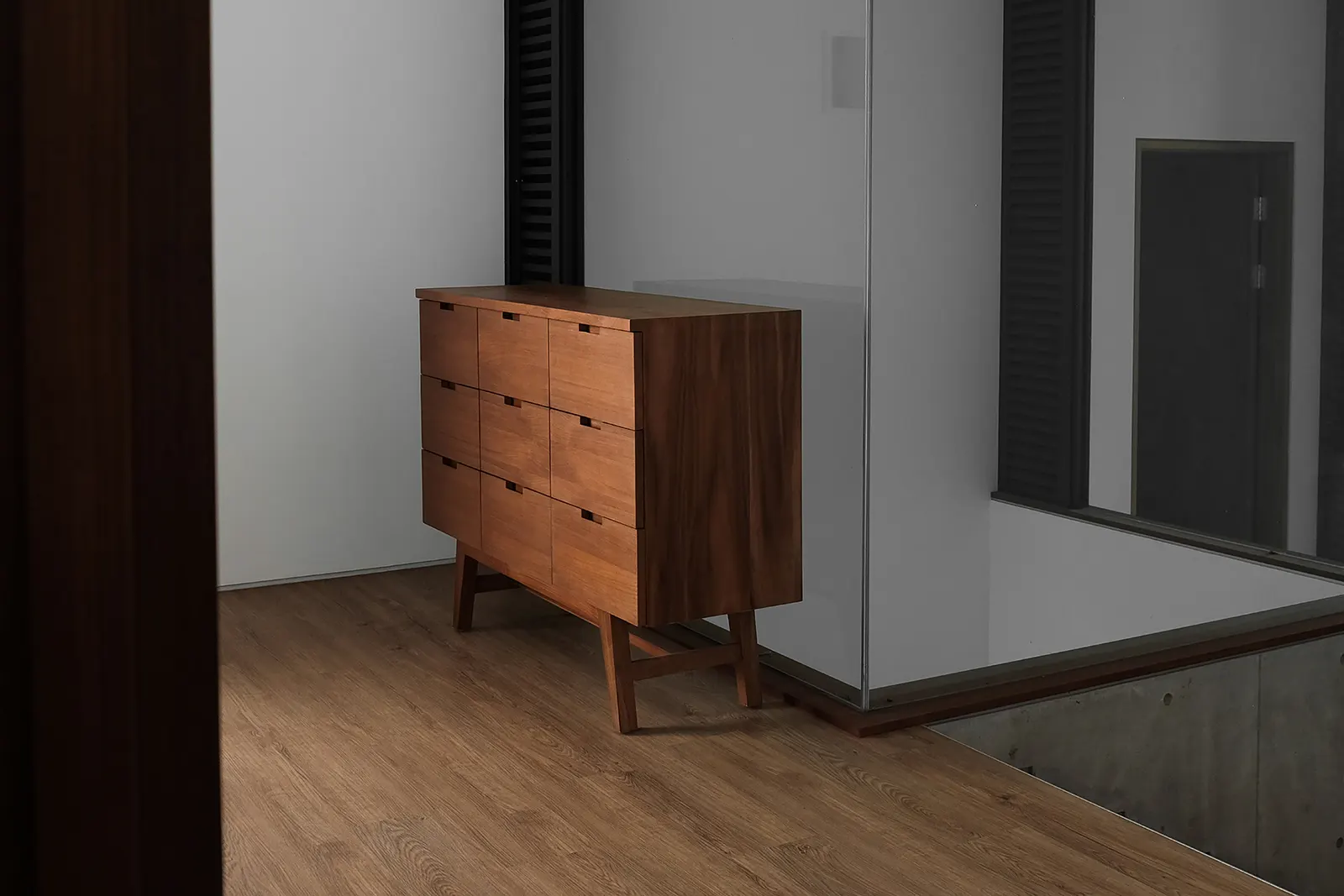
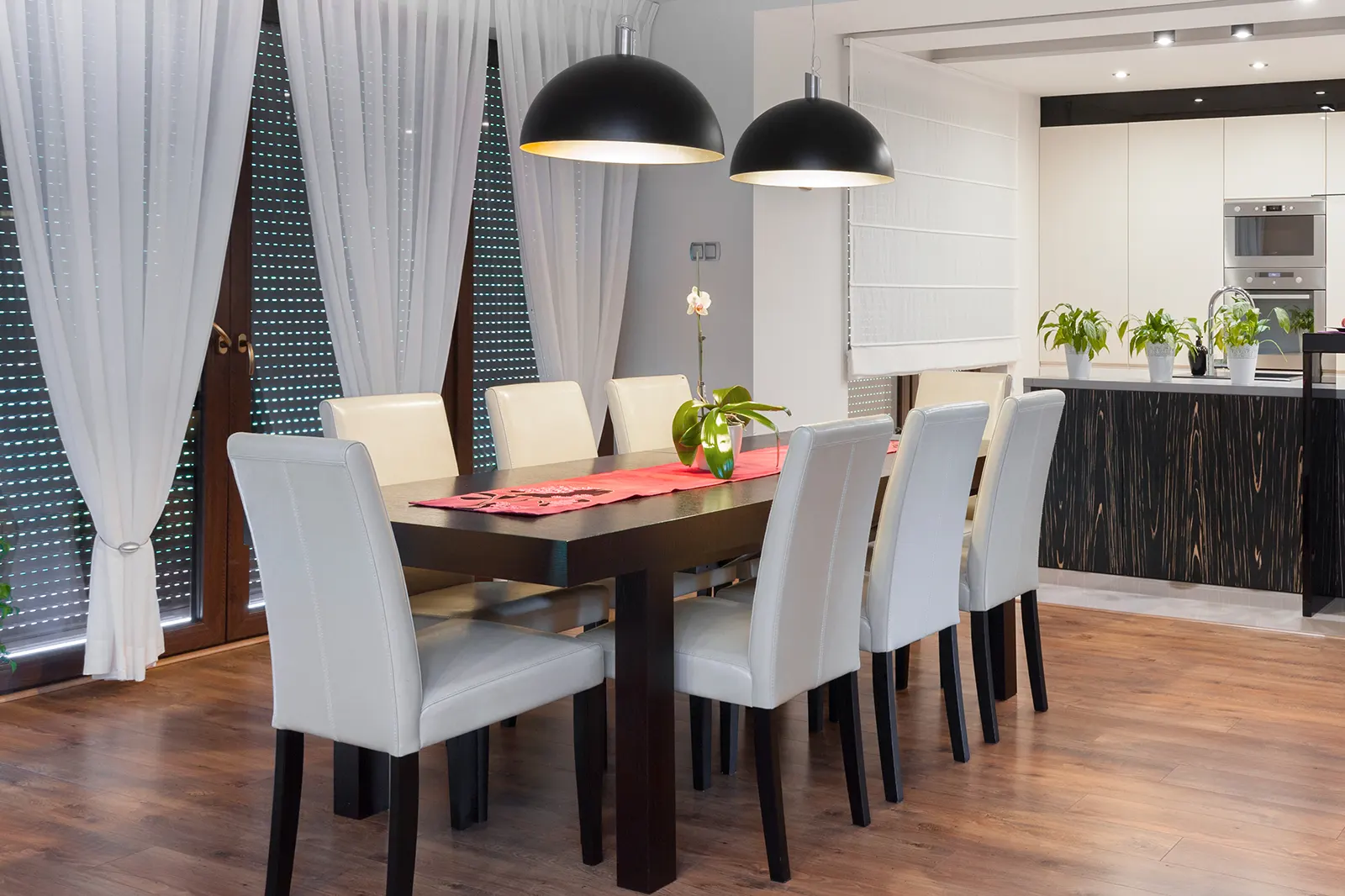
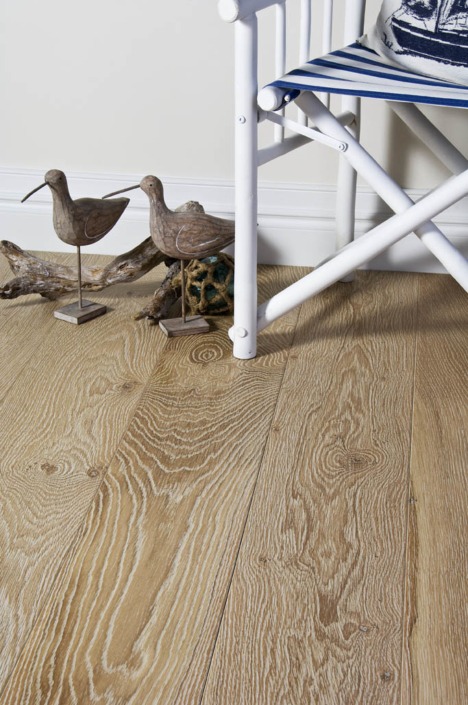
In addition, solid wood is normally a better carbon store because it tends to be left in situ for far longer than engineered flooring, which generally has a thin top layer. In solid wood, especially the thicker profiles, the amount a wood above the tongue, and hence the number of possible sandings, is greater than for engineered wood.
Regarding the environmental impact of tree felling, the issue is provenance and certification. If the wood is sustainably sourced and properly certified, then it is not an issue of sustainability, only affordability. We only use sustainably sourced and certified material.
The argument is also made that solid wood is unstable. Again, this is more complicated than a cursory consideration may suggest. It will depend on the species of wood, the way is it dried and where it is to be used. Oak when seasoned and dried properly is very stable. Its natural colour is also more attractive than that of quickly dried veneers. Consult with us for more details.
Another advantage of our solid wood is that we can cut our boards to your requirements, we are not limited to the lamella sizes available in the market. For bespoke patterns this is a distinct advantage.
The common sizes for solid wood flooring are widths of 90, 125, 150, 180 and 220mm*. Widths are commonly 18, 19 or 20mm and lengths are normally random up to about 5500mm. Longer lengths are rare, with most planks falling between 900mm and 2400mm.
(*To get inches, divide by 31.)