

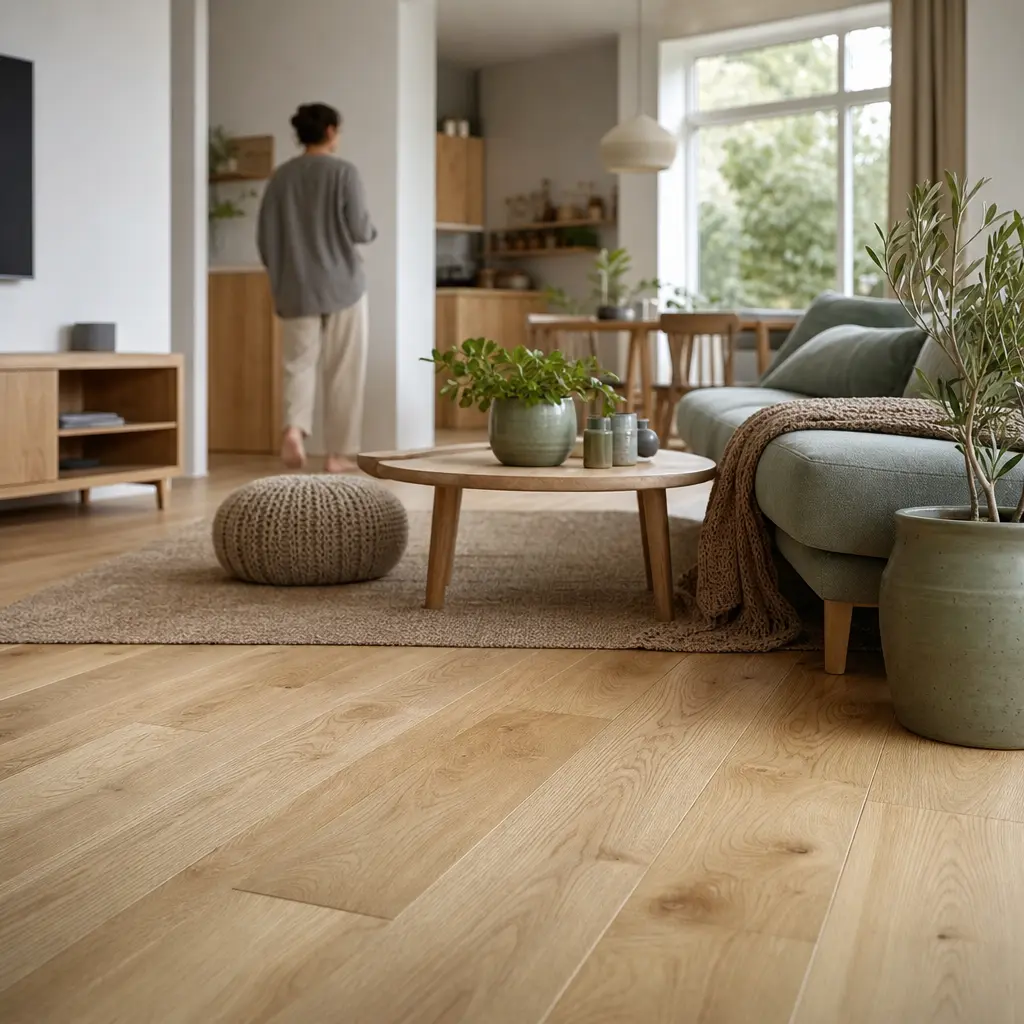
I’m often asked about sustainability when people enquire about solid wood flooring. Customers worry that that solid timber isn’t a wise use of a scarce resource. That’s a reasonable concern
The engineered wood people will always exhort their environmental credentials, and they have, on the face of it, a perfectly reasonable claim. I’m not against engineered wood—and I do sell it—but this isn’t a one-sided debate. The main questions are:
- Was the solid timber harvested from a sustainably managed, certified forest?
- How much energy goes into producing solid wood?
- Are chemicals used in production, and what is their impact on workers, buyers, and the environment during production and disposal?
- Can solid wood be recycled, and is it a better long‑term carbon sink than products that are used and disposed of?
Question 1: sustainable sourcing
- Any strong sustainability claim should come with credible documentation. If you can verify that the timber was harvested from a forest that is both certified and managed for biodiversity, that removes a lot of the concern.
- A related issue is whether the material is plantation-grown. Plantations can be efficient, but they aren’t automatically better for the environment. Biodiversity in forests matters. Broadly speaking, diverse, sustainably managed forests are more eco-friendly, but they also pose bigger questions about supply. This isn’t a sustainability failure so much as a broader environmental trade-off.
Question 2: energy use in production
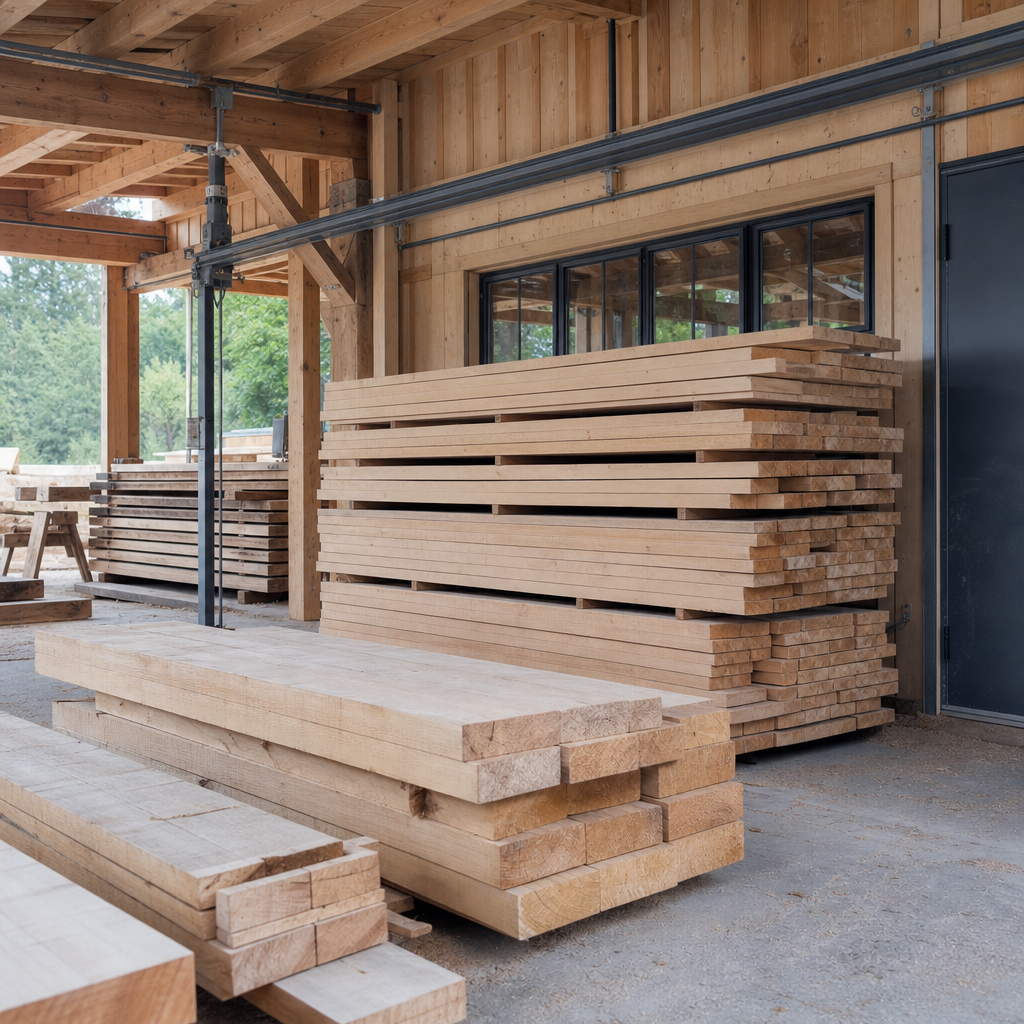
- In general, solid wood requires relatively little energy to process—especially when compared with many other building materials. Cutting and milling are low-energy steps.
- Engineered wood often uses more energy in production, partly because of the substrates (like plywood or multilayer cores) and the glues involved.
Question 3: chemicals, health, and the environment
- A key concern is what glues or finishes are used, how they’re made, and what residues or emissions they produce during production, installation, and over time.
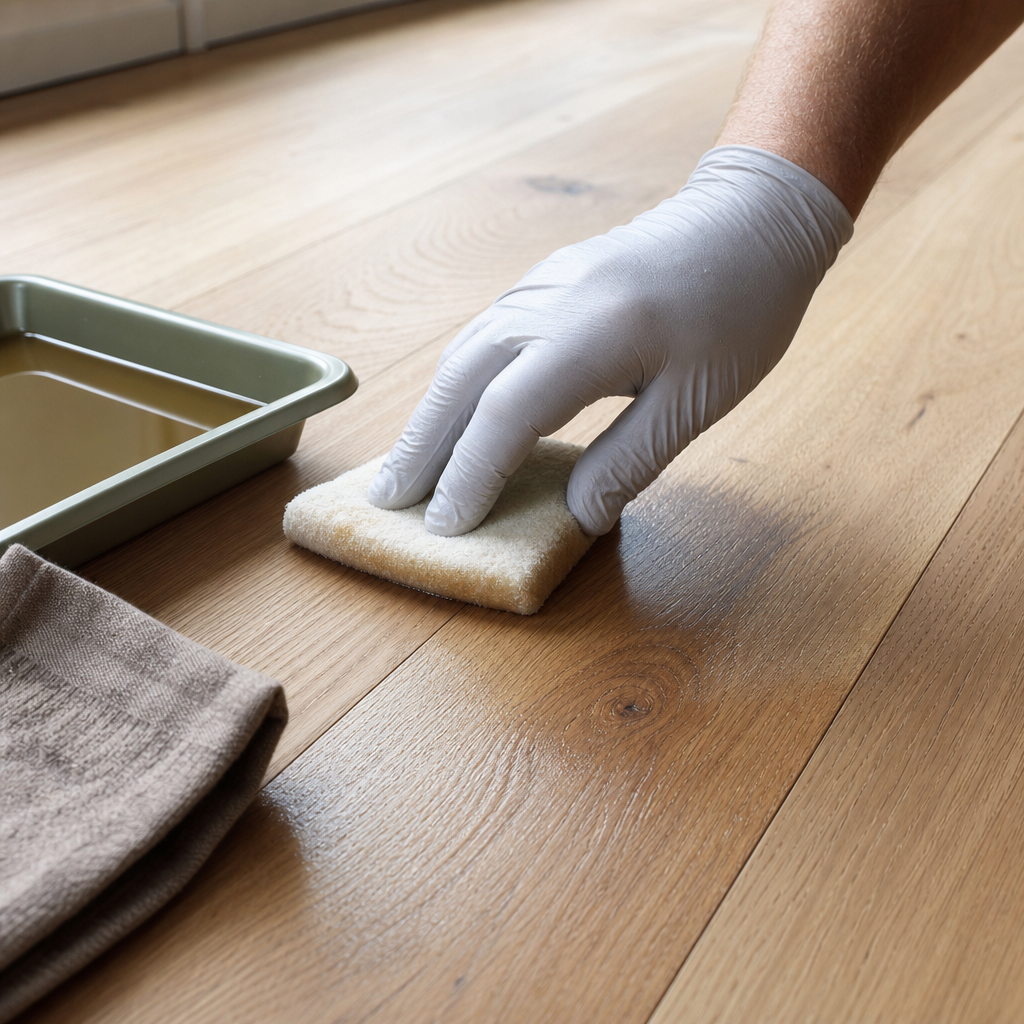
- Untreated solid wood, in its natural, uncoated state, has fewer chemical concerns. Coatings and finishes can introduce emissions, but today there are many safer options. Consumers can choose lacquers or oils that meet their own health and air-quality standards.
Question 4: recycling and carbon impact
- Solid wood can be sanded, recoated, and repaired, which extends its life.
- It is also recyclable and can be repurposed rather than buried in landfill.
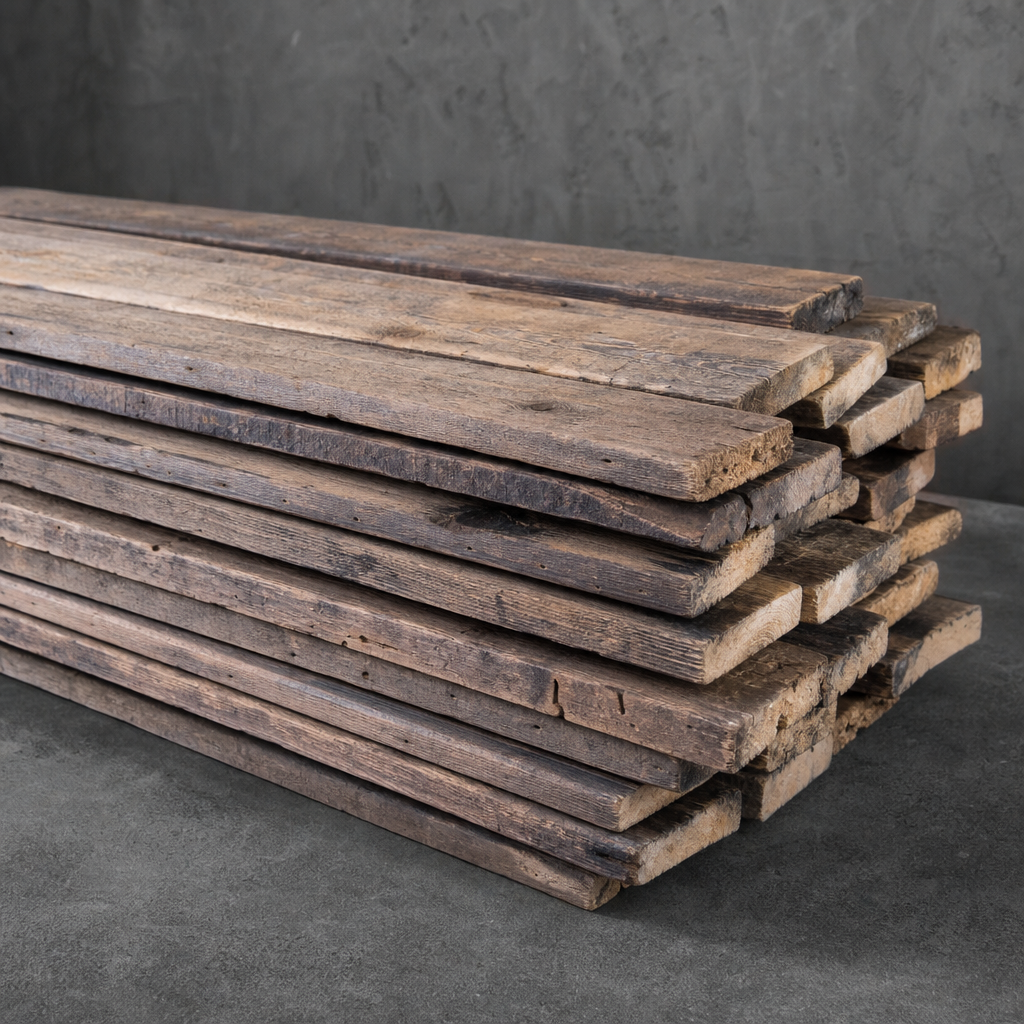
- There are projects that reclaim and reuse old timber flooring, which can lower the overall environmental footprint.
Bottom line
- So. like many controversial issues, a deeper dive reveals both complexity and nuance. There is no unequivocal right answer, but for my money it has to be solid wood harvested from a sustainably managed bio-diverse natural forest. The issue then becomes one of affordability rather than sustainability.